AI that reads every vehicle, in every fleet you run
Written for operations leaders, not engineers. Here is what actually happens between a field officer taking a photo and a mechanic receiving a job.
The pipeline
Four stages, one record per vehicle
Capture in the field
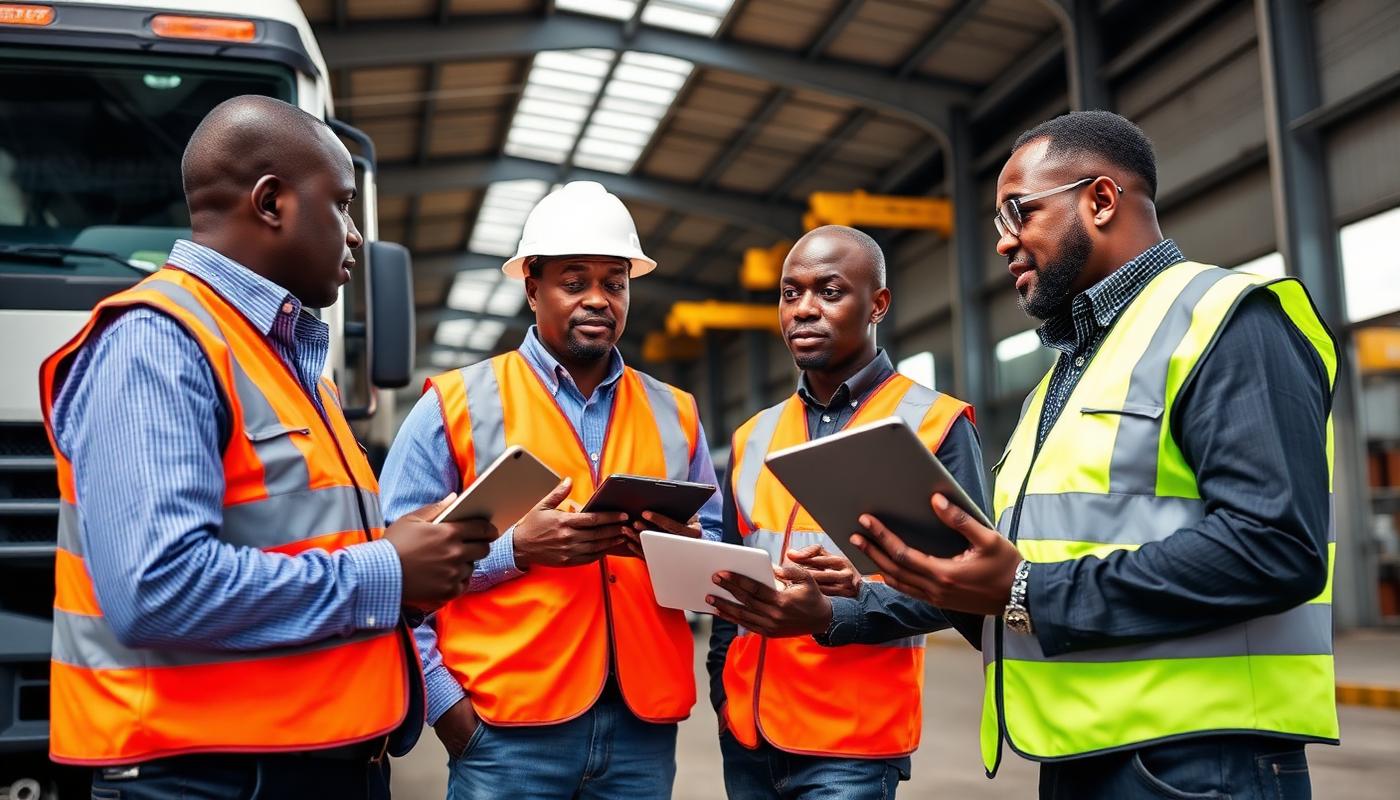
Officers photograph vehicles on the phones they already carry, guided through a fixed sequence of angles so the same views exist for every asset. Capture works offline and syncs when the device finds signal.
Read the image
Vision models examine each frame for damage, wear and missing components, and read text off compliance documents. Every finding is bound to the vehicle, the date and the specific image region it came from.
Compare against history
New findings are compared with the vehicle's previous record. The platform reports change — a dent that wasn't there last month, tread that crossed the threshold — rather than restating known conditions.
Route and confirm
Confident findings become work orders routed to a depot and technician. Borderline ones go to a human reviewer. Nothing is closed without a confirmation step, and the reviewer's decision improves the model.
What the models see
Detection is specific, and it is honest about uncertainty
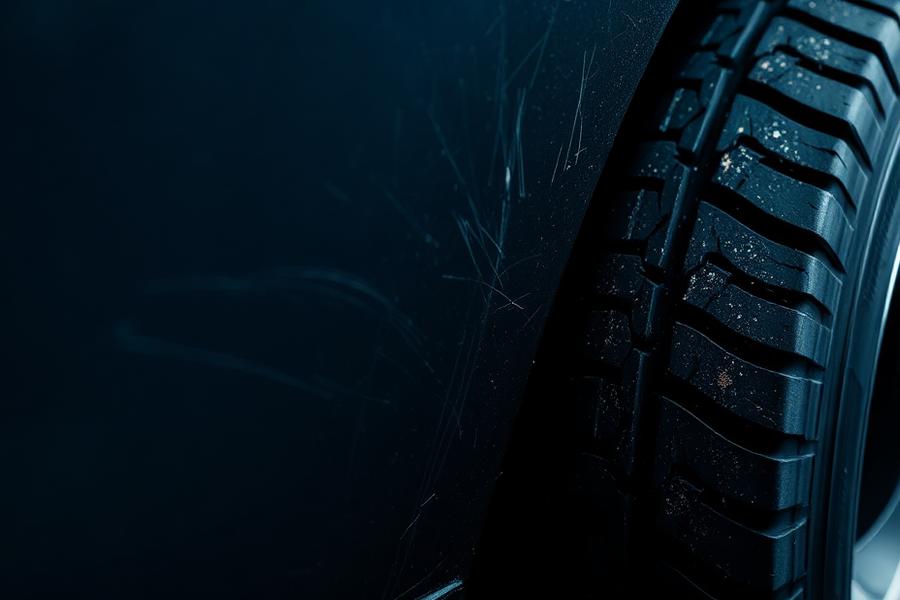
A vision model does not "understand" a vehicle. It recognises patterns it has seen many times: the shape of a crease in a door panel, the way tread blocks flatten as a tyre wears, the sheen of a fluid trail under an engine bay.
That makes it excellent at consistency — it never gets tired on the eightieth vehicle of the day — and imperfect at novelty. So FleetSight reports a confidence level with every finding, and anything below your threshold goes to a human before it becomes a work order.
Over time, your reviewers' decisions tune the thresholds to your fleet: the vehicle classes you run, the roads they run on, the lighting in your bays.
Multi-tenant architecture
Many operators, strictly separated
Each operator company is its own tenant: vehicles, depots, users, roles, photos and documents are isolated at the data layer. A dealership group running four sites sees one portfolio; the logistics firm next door sees nothing of it.
Within a tenant, access is role-based — a field officer captures, a workshop foreman closes jobs, a director reads portfolio reporting. Every action is logged.
Built on AWS
Regional hosting, encrypted storage for images and documents, automated backup and recovery.
Accelerated with NVIDIA GPUs
Inference runs on GPU so a depot's morning batch of several hundred inspection photos clears in minutes, not overnight.
Computer-vision native
The platform is designed around image evidence, not retrofitted onto a telematics product.
NDPR compliant by design
Driver and customer data handled under Nigeria Data Protection Regulation principles: purpose limitation, retention windows, and access controls you configure.
Point the pipeline at your fleet
We'll run a sample of your existing inspection photos through FleetSight and walk you through exactly what it found, what it missed, and why.